
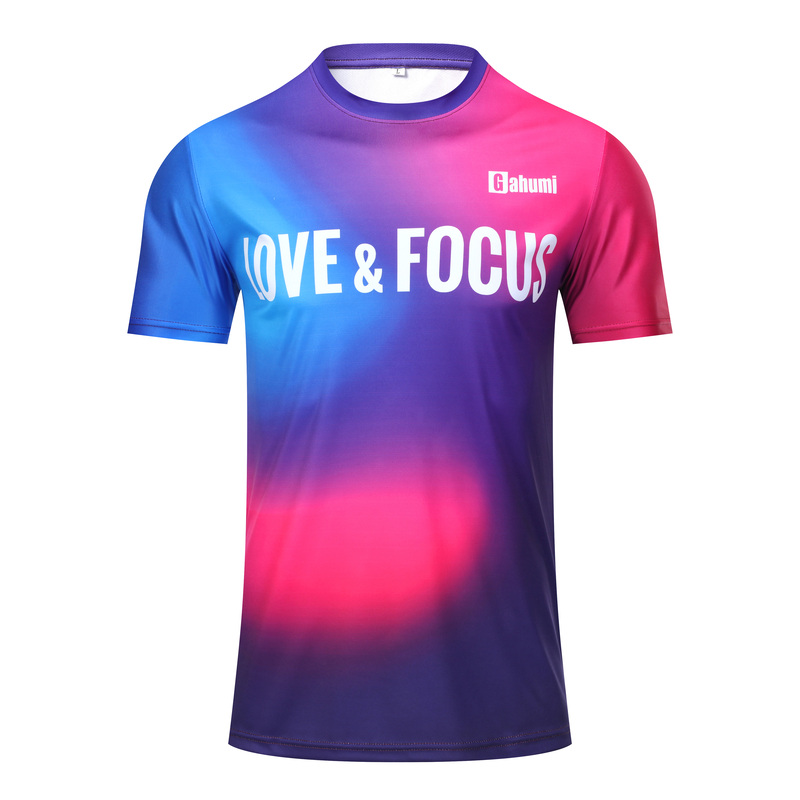
 Tshirt
 Custom Hoodie & Sweat
 Custom Bags
 Flag
Flag
 Towel
Towel
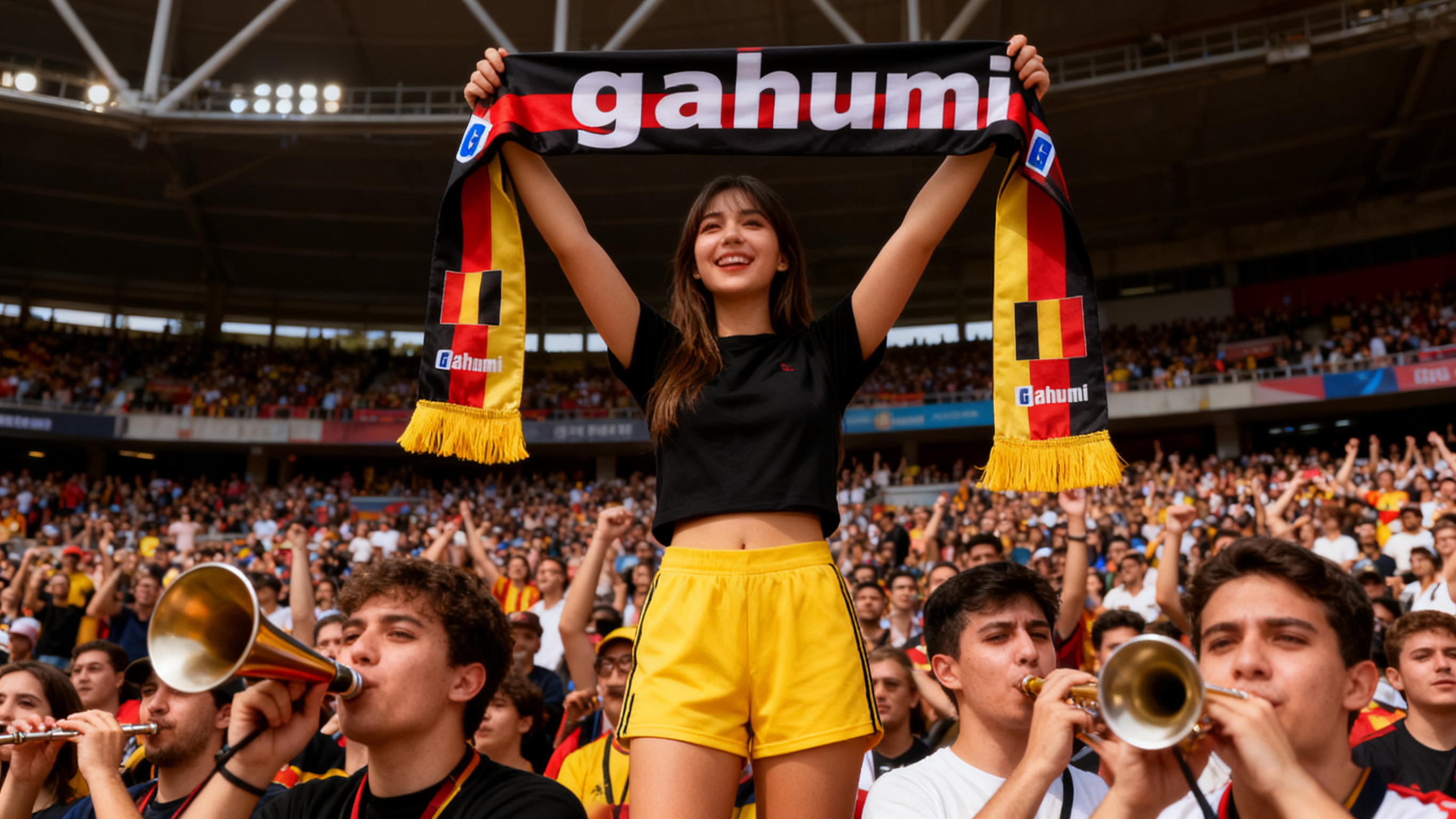
 Custom Scarf
 Cap
Cap

OEM vs. ODM in Custom Sportswear Manufacturing: Which Service Fits Your Brand?
Custom Sportswear Manufacturing
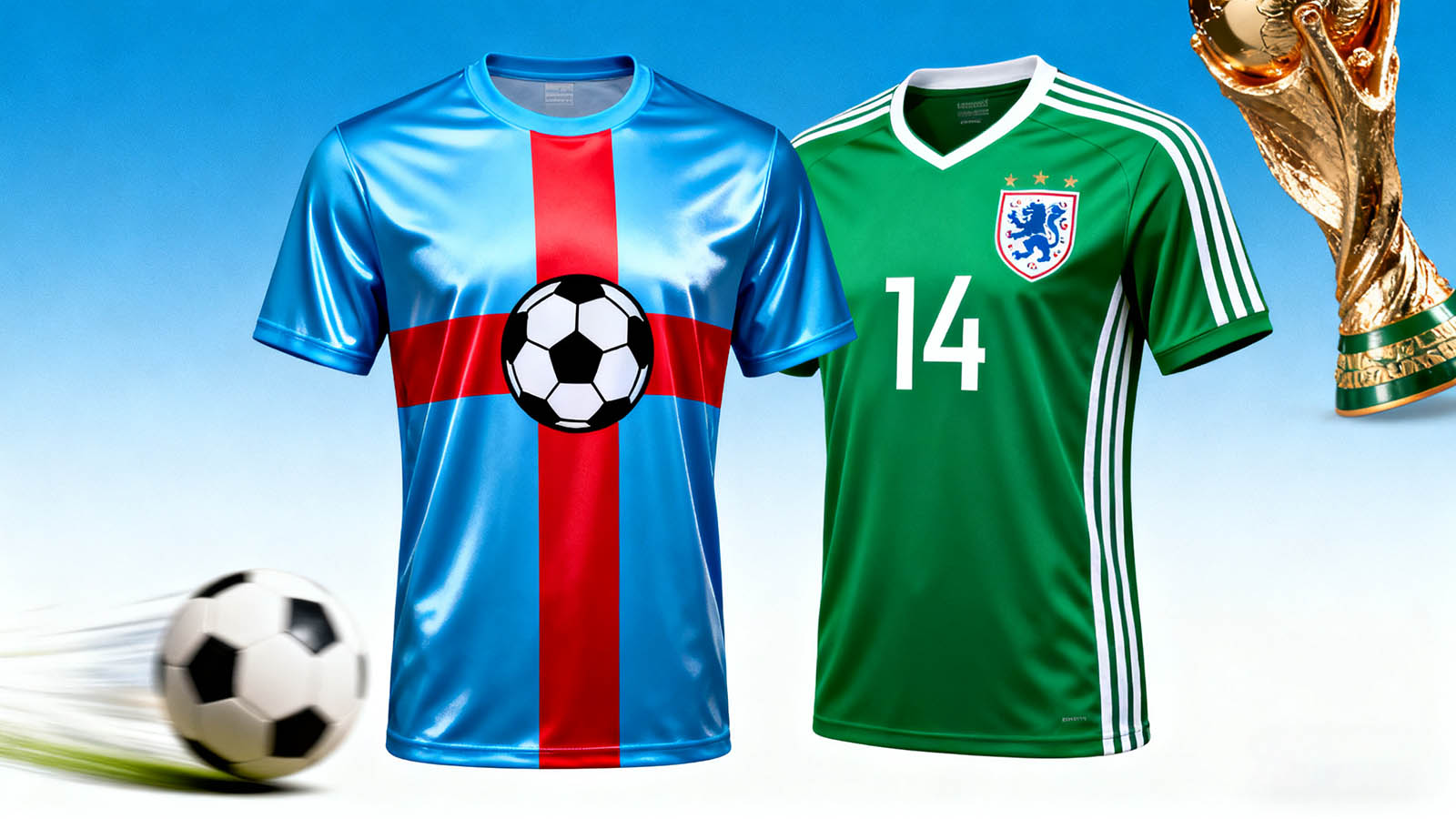
In the competitive custom sportswear market, choosing the right manufacturing partnership is pivotal to a brand’s success. Two mainstream cooperation models—OEM and ODM—dominate the industry, each catering to different brand needs and development stages. Understanding their differences, advantages, and applicable scenarios is essential for making informed decisions that align with your brand’s positioning and growth goals. Below is a detailed analysis to help you determine which service—OEM or ODM—is the perfect fit for your custom sportswear brand.
What is OEM in Sportswear Manufacturing?
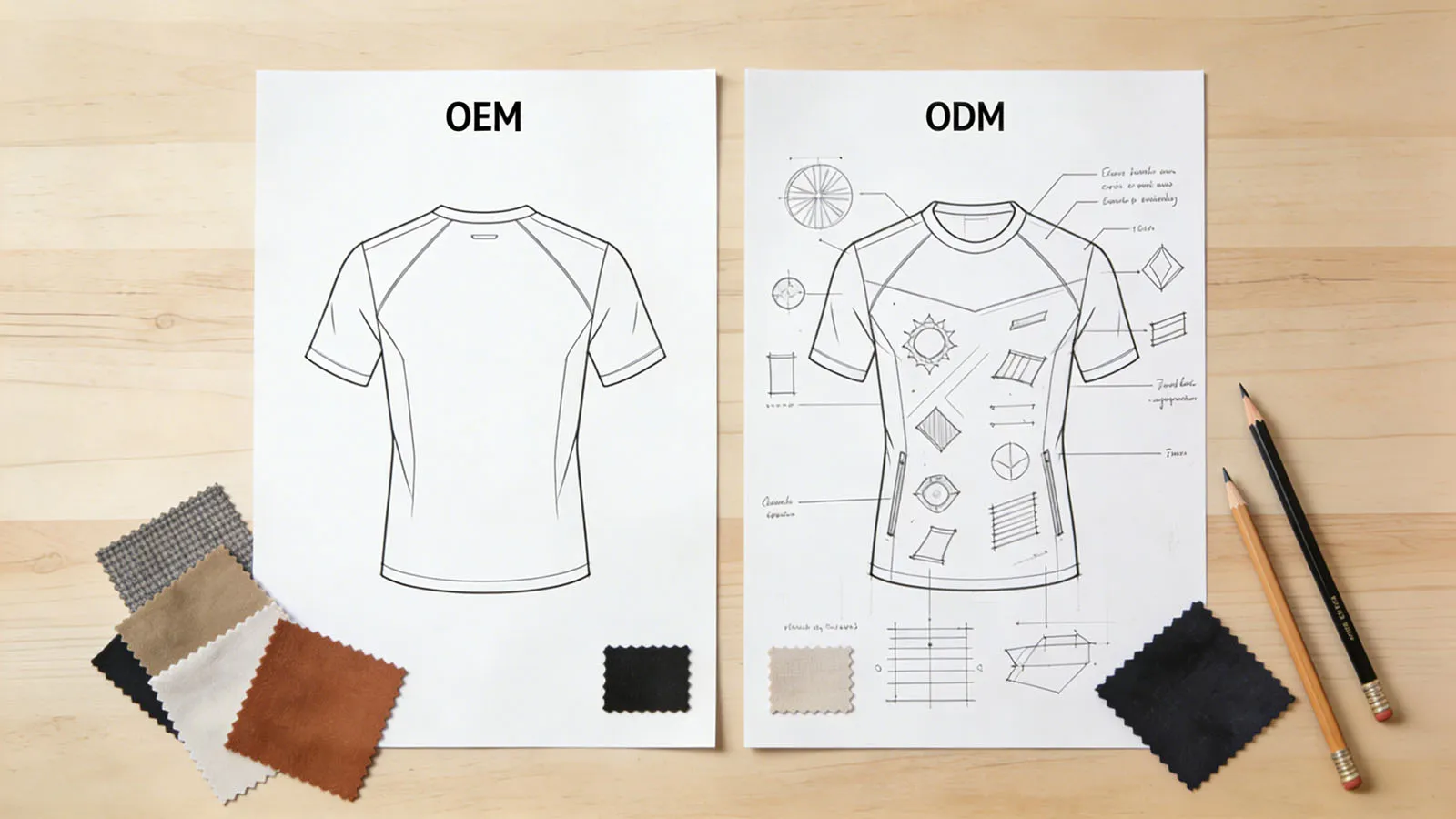
OEM (Original Equipment Manufacturer) services in custom sportswear manufacturing refer to the factory producing garments in strict accordance with the client’s design schemes, technical specification packages (tech packs), and quality requirements. In this cooperation model, the brand holds absolute control over the core links such as product design, fabric selection, style customization, and market positioning. The manufacturer’s core responsibility is to convert the brand’s design concepts into physical products with high quality and efficiency, and complete mass production on schedule.
Key Features of OEM
• The brand provides detailed and standardized tech packs, including design drawings, size specifications, fabric parameters, sewing process requirements, and logo placement details.
• The manufacturer is mainly responsible for production implementation, raw material procurement (according to the brand’s designated standards), production process control, and finished product quality inspection.
• It is highly compatible with brands that have independent design capabilities and clear brand positioning, especially mature brands that need to maintain the uniqueness and exclusivity of their products.
What is ODM in Sportswear Manufacturing?
ODM (Original Design Manufacturer) services in custom sportswear manufacturing adopt a more flexible cooperation mode. The manufacturer takes the initiative to provide ready-to-develop product solutions, including original design concepts, mature style templates, fabric recommendations, and sample prototypes. Brands can directly adopt these solutions or make targeted adjustments (such as modifying colors, replacing fabrics, or adding brand logos) based on their own market needs. This model greatly lowers the threshold for brands to enter the custom sportswear market, especially for those without professional in-house design teams.
Key Features of ODM
• The manufacturer undertakes the main design and development work, relying on its own industry experience and market insight to launch styles that conform to current trends.
• Brands can realize personalized customization on the basis of existing styles, such as adjusting necklines, cuffs, or choosing exclusive color matching, without the need to invest a lot of energy in original design.
• It is ideal for emerging brands or growing enterprises that pursue speed-to-market, hope to quickly test market response, and want to save design and R&D costs.
OEM vs. ODM: Core Differences
The fundamental difference between OEM and ODM lies in the leader of the product design link—a key factor that determines the brand’s control over products and the input cost of cooperation. In the OEM model, the brand is the absolute driver of design, and the manufacturer only acts as an executor, which means the brand has 100% creative control and intellectual property rights of the product. In the ODM model, the manufacturer plays a leading role in design and development, and the brand shares part of the creative control, which simplifies the cooperation process but requires the brand to confirm the ownership of intellectual property rights with the manufacturer in advance.
In terms of cooperation thresholds and costs, OEM requires the brand to have professional design teams and technical support capabilities, and the early preparation cycle (such as tech pack formulation) is longer, but it can ensure the uniqueness of products. ODM has lower requirements for the brand’s design capabilities, shortens the product launch cycle, and reduces the risk of R&D failure, but the style uniqueness may be slightly insufficient compared with OEM.
Which Service Should Sportswear Brands Choose?
The choice between OEM and ODM is not absolute, but should be based on the brand’s actual situation, including design capabilities, market positioning, development stage, and cost budget.
For well-established custom sportswear brands with clear design genes, mature technical teams, and stable market channels, OEM is undoubtedly the optimal choice. This model can fully ensure the originality of products, maintain the consistency of the brand’s design style, and protect the brand’s core intellectual property rights. For example, high-end professional sportswear brands that focus on functional innovation and personalized customization often choose OEM services to ensure that their product advantages and brand characteristics are accurately presented.
For new brands that have just entered the market, or growing brands that need to quickly respond to market trends and test new product directions, ODM is more practical. By relying on the manufacturer’s professional design and R&D capabilities, brands can launch competitive products in a short time, reduce the investment in design and R&D, and accumulate market experience and user feedback at a lower cost. For instance, many emerging casual sportswear brands choose ODM services to quickly launch trend-leading styles and seize market opportunities.
In fact, many professional custom sportswear manufacturers, including Gahumi, provide both OEM and ODM services to meet the diverse needs of brands at different development stages. This flexible cooperation mode allows brands to combine the two services according to their own development strategies—for example, using OEM services for core product lines that highlight brand strength, and ODM services for seasonal trend capsule collections or market test products, so as to achieve the optimal balance between product quality, launch speed, and cost control.
As a professional custom sportswear manufacturer and supplier, Gahumi has a professional design team and advanced intelligent production system, which can provide brands with high-quality OEM and ODM services. Whether you are an established brand that needs precise execution of design concepts, or a growing brand that explores market opportunities through trend styles, Gahumi can tailor personalized manufacturing solutions for you and help you turn your sportswear brand vision into reality. For more details, please visit www.gahumi.com.
Gahumi OEM/ODM Services
In conclusion, OEM and ODM are two effective cooperation modes in custom sportswear manufacturing, each with unique advantages and applicable scenarios. The key to choosing the right mode is to accurately position the brand’s development stage and core needs. Only by matching the most suitable manufacturing service can the brand gain a competitive advantage in the fierce market competition.
Contact Gahumi today to discuss your custom sportswear needs and get expert guidance on launching your next collection!
.webp)
.jpg)
.jpg)
.jpg)
.jpg)
.jpg)
.jpg)